Daikichi mark DAIKICHI大吉株式会社

Eastern aesthetics and the culture of collecting

Wabi-sabi, ichigo ichie, and how objects return to rooms we live in.

I

Wabi-sabi: traces of time and the beauty of the incomplete

Wabi-sabi is not simply “worn” or “broken.” It is a way of seeing impermanence, restraint, incompleteness, and the marks time leaves. Crazing, wear, even kintsugi, are medals of a conversation with time.
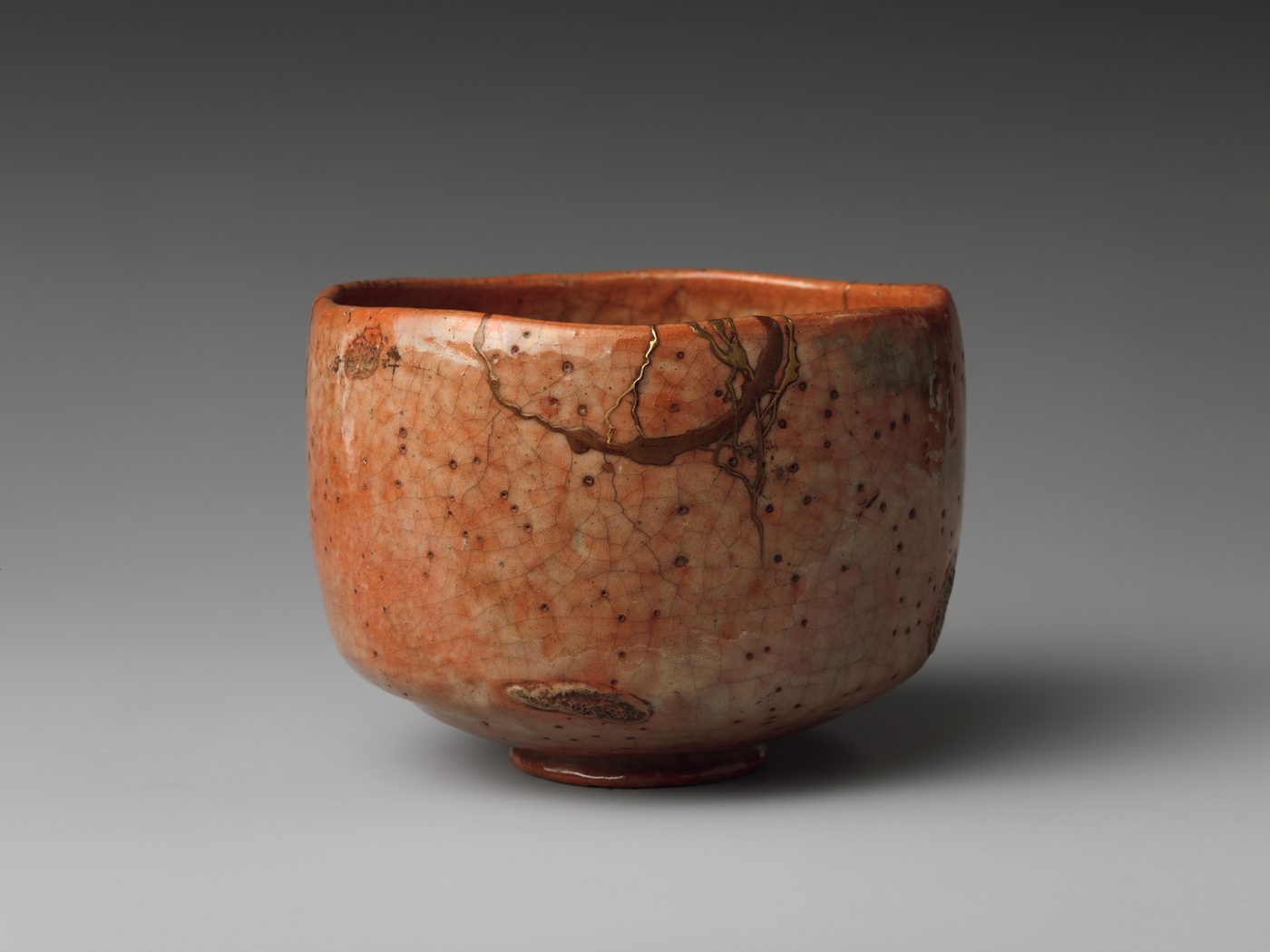
Raku tea bowl, for traces of time and wabi-sabi (open-access image, to be replaced)
Crazing, wear, and the polish of the hand: traces of a conversation with time.
II

Ichigo ichie: the fated meeting of person and object

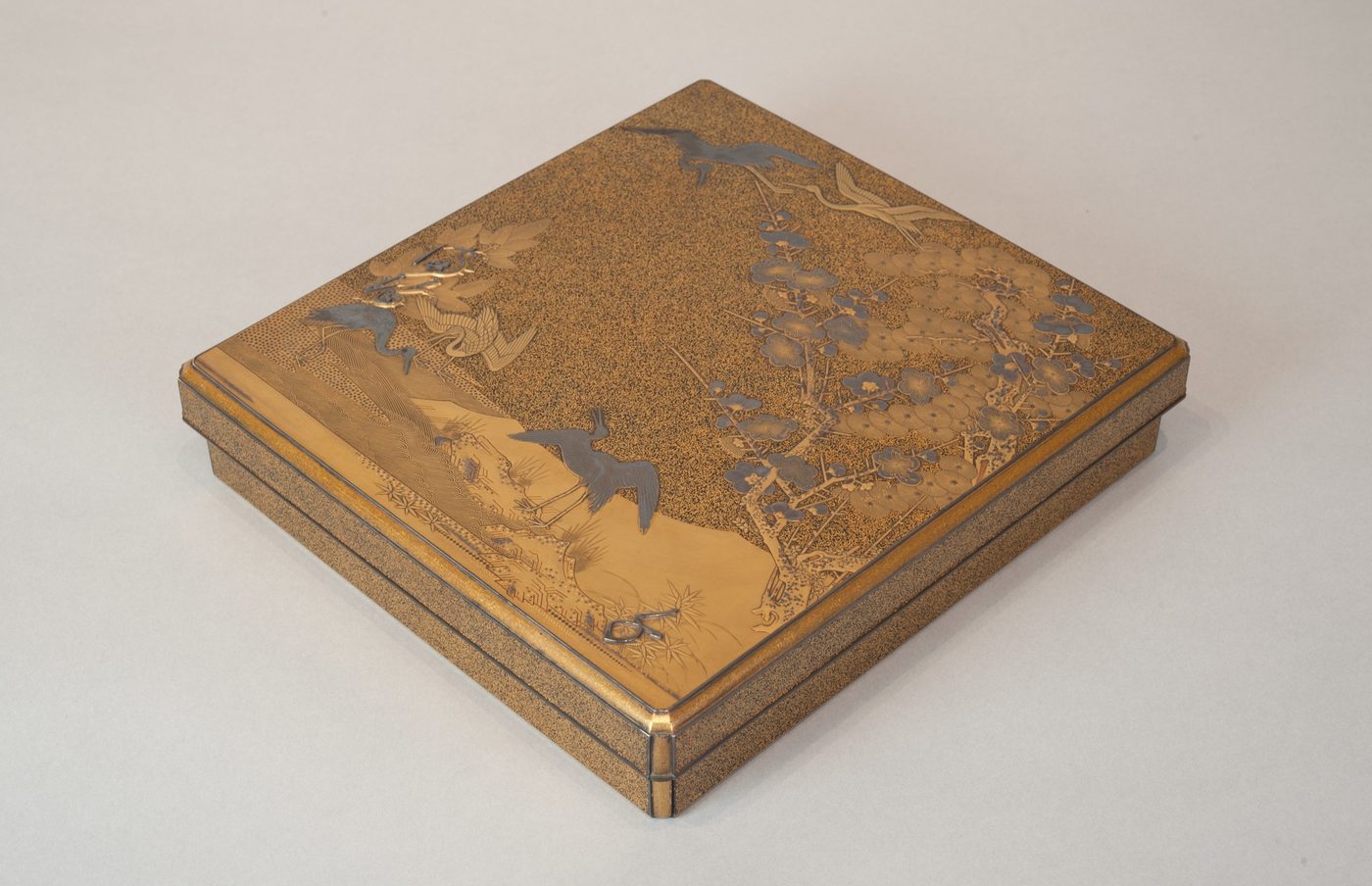
Meeting an object is a rare encounter in a long history. Value is not only a market price, but the resonance when a work that has crossed centuries reaches you, and the quiet years you may share with it.

Maki-e writing box, for the meeting of person and object
The meeting of a person and an object is a rare encounter in history.
III

Objects in rooms we live in

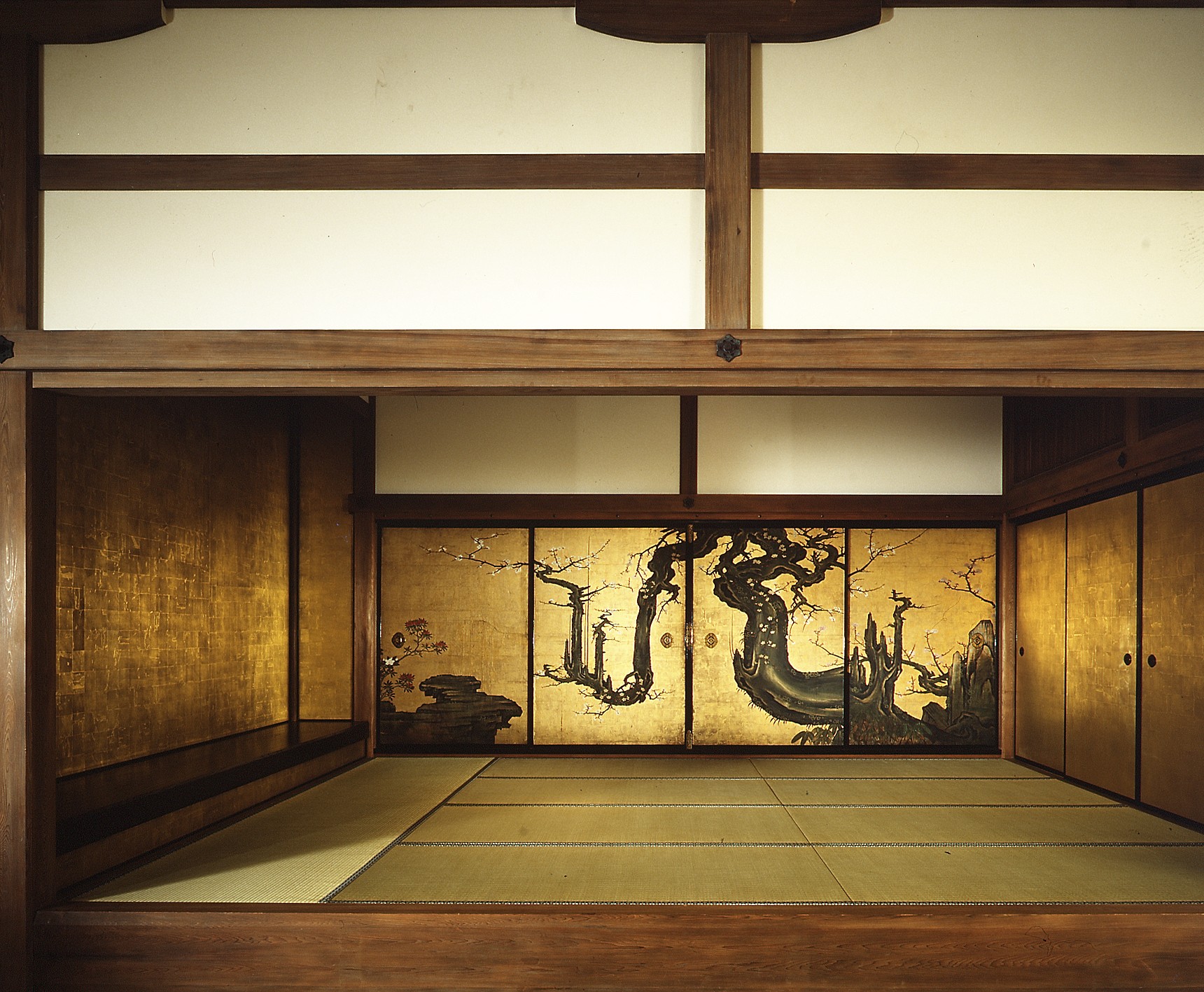
Daikichi holds that antique art should return to living rooms. Works need not stay locked in cold cases: an old bowl can re-enter the tea setting, a century-old lacquer box can sit on a modern table, a gold screen can become the focus of a contemporary interior. Old and new together give an object new life.

Gold fusuma in a shoin interior, for objects in a room (Met open-access image; to be replaced with a contemporary interior)
A gold screen in a room. A contemporary interior photograph is still to come.

A collector’s notes, and looking further

Six cautions for new collectors

01

Do not look only at the box inscription

Hakogaki (inscriptions on the paulownia box) are valuable, but history also knows “true box, false object” and later replacement boxes. Judgement must return to the vessel itself: form, clay, craft, and period.

02

Do not trust a “bargain” far below the market

In a transparent market, a price far below a fair range often hides heavy restoration, later copies, unclear provenance, or missing papers.

03

Tell natural patina from artificial ageing

Wear, tea staining, and oxidation that grow with use have a natural fade. Chemical distressing or smoked “age” is often harsh, sharp-smelling, and uneven.

04

Tell kintsugi from fills and concealed repair

Kintsugi makes a repair visible as craft. Resin fills, adhesives, and chemical concealment hide faults. The extent of restoration must be stated clearly before a sale.

05

Form an eye before you think of price

Collecting is not simply “older is dearer” or “dearer is better.” Look first at museum-quality works to form an eye, then build a collection of your own.

06

Keep a complete file of the transaction and history

Keep the work’s “papers.” Archive the original auction catalogue and lot number, receipts and contracts, official export/import documents, high-resolution condition photographs, and any expert opinions.